Barka: A Script Handwritten Font That Breathes Life into Your Creative Projects
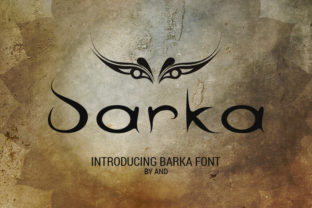
As a handmade label creator and printable designer, I’ve spent countless hours testing fonts to find the perfect balance between creativity and practicality. Recently, I came across Barka, an unusual and creatively crafted handwritten font that immediately caught my eye. With its bubbly and disconnected style, Barka brings a unique signature look to any project, making it a standout choice for makers who want to infuse their work with personality and charm.
Barka for Candle Labels and Seasonal Product Design
When designing candle labels for a small shop, I needed something that felt warm, inviting, and a little whimsical. Barka fit the bill perfectly. Its bubbly nature adds a playful touch, while its disconnected strokes give it a handcrafted feel that feels authentic and unpolished. I used it on both seasonal tags and holiday labels, and the results were nothing short of magical. The font’s Script Handwritten style made it ideal for short phrases and decorative wording, enhancing the overall aesthetic without overwhelming the design.
One thing I noticed right away was how well Barka translated from screen to print. Whether I was creating mockups for Etsy or preparing digital downloads, the font maintained its character and clarity. It’s important to note that while Barka is a great display font, it’s not suitable for long paragraphs or dense text. For product labels, I recommend using it for titles, names, and short promotional copy to keep the visual impact strong.
Barka for Wedding Invitations and Elegant Branding
Another time I tested Barka was when designing wedding invitations for a close friend. The goal was to create something that felt personal yet elegant. Barka’s Script Handwritten style offered just the right amount of flair without being too flashy. I paired it with a clean sans serif font for the body text, which helped maintain readability while allowing the invitation to retain its artistic edge.
The font’s bubbly and disconnected look added a sense of warmth and intimacy to the design, making it feel more like a handwritten note than a formal invitation. I also used Barka for the event name and date, which stood out beautifully against the rest of the layout. This experience reinforced how versatile Barka can be—whether you’re creating a brand identity or a single piece of stationery, it has the potential to elevate your work significantly.
Barka for Sticker Sheets and Digital Printables
When working on sticker sheets and digital printables, Barka became my go-to font for decorative elements. Its Script Handwritten style works exceptionally well for short phrases, quotes, and personalized messages. I found that using Barka in combination with other fonts—like a simple serif or bold display font—created a nice contrast that made the designs pop.
I also appreciated how Barka handled different file formats. Whether I was exporting SVGs for Cricut or Silhouette users, or preparing high-resolution PNGs for Etsy listings, the font remained crisp and clear. It’s always reassuring to know that a font will hold up under various production conditions, especially when selling physical products or digital templates.
Barka for Packaging and Boutique Tags
For boutique packaging and product tags, Barka brought a fresh, modern twist to traditional designs. I used it on gift wrap tags, product descriptions, and even as part of the logo for a small line of handmade mugs. The font’s Script Handwritten style gave each item a distinctive identity that set it apart from mass-produced goods.
However, I did notice that Barka might not be the best choice for very tiny cuts or technical instructions. While it looks great on large-format prints and signage, smaller applications may require a more legible font. That said, for product labels and boutique tags, Barka is a fantastic option that adds character without sacrificing clarity.
Barka for Wall Art and Planner Pages
Finally, I tested Barka on wall art and planner pages, where its Script Handwritten style shone brightest. The font’s bubbly and disconnected look worked well with minimalist designs, adding a subtle but noticeable personality to each piece. I used it for headings, quotes, and decorative accents, and it never felt cluttered or overwhelming.
One thing I learned from this experience is that Barka is best used in moderation. When paired with other fonts and design elements, it can enhance the overall look of a project without overpowering it. For planners and wall art, I recommend using Barka sparingly to maintain a clean and cohesive design.